
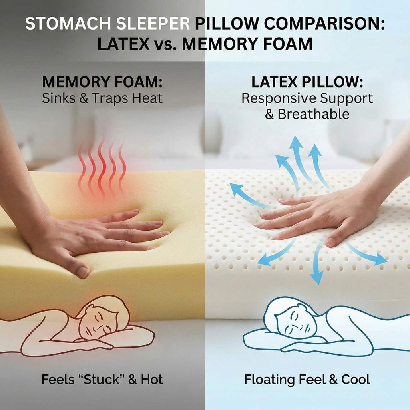
Best pillow material for hot sleepers depends on more than the filling. The cover, pillow shape, loft, airflow, and your sleeping position also matter.
However, if cooling is your main goal, shredded latex is an excellent place to start. Sleep Foundation’s current testing notes that shredded latex, down alternative, and buckwheat hulls perform well for temperature control, while solid memory foam tends to retain more heat.
A breathable cover matters too. Cotton, bamboo-derived fabric, and Tencel can help move moisture and improve airflow around your head.
Why Hot Sleepers Need a Different Pillow
Your head rests on a pillow for hours. Therefore, the material directly under your head can affect how warm you feel.
A pillow that traps heat can make you sweaty, uncomfortable, and more likely to flip sides during the night. On the other hand, an airy pillow can allow heat and moisture to move away.
The best pillow material for hot sleepers should therefore balance three simple things:
- Airflow
- Moisture control
- Comfortable support
Importantly, the coolest material is not always the best choice for every person.
What Makes the Best Pillow Material for Hot Sleepers?
The best pillow material for hot sleepers should not simply feel cool when you first touch it.
Instead, look for a material that continues to manage heat after your head has rested on it for several hours.
Good cooling pillows often have:
- Open or loose fill
- Ventilated cores
- Breathable covers
- Moisture-friendly fabrics
- Adjustable filling
- Enough space for air movement
Sleep Foundation reports that both the pillow fill and shell affect temperature control.
Shredded Latex Is a Strong Overall Choice
When people ask about the best pillow material for hot sleepers, shredded latex deserves serious attention.
Latex has a springy feel. Unlike memory foam, it does not closely hug your head in the same way.
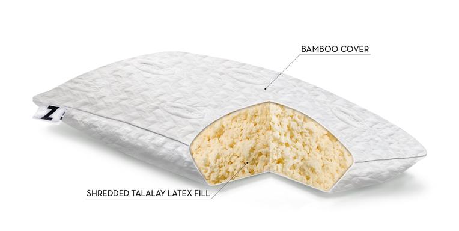
Shredded latex also creates small spaces inside the pillow. Those spaces can encourage air movement.
Current Sleep Foundation testing describes latex as more breathable than traditional foam, especially when the latex has ventilation or a shredded design.
Why Shredded Latex Feels Cooler
Shredded latex can provide:
- Better airflow
- Responsive support
- Less deep sinking
- Good shape recovery
- Long-term durability
Therefore, it works particularly well for side and back sleepers who want support without a heavy, trapped feeling.
Talalay Latex Versus Dunlop Latex
Not every latex pillow feels the same.
Talalay latex generally has a lighter and more airy structure. Dunlop latex tends to feel denser and heavier.
So, if cooling is your first concern, a ventilated Talalay design may be especially attractive.
However, do not choose based only on the word “Talalay.” The cover and pillow construction still matter.
Solid Latex Can Still Sleep Cool
The best pillow material for hot sleepers does not have to be shredded latex.
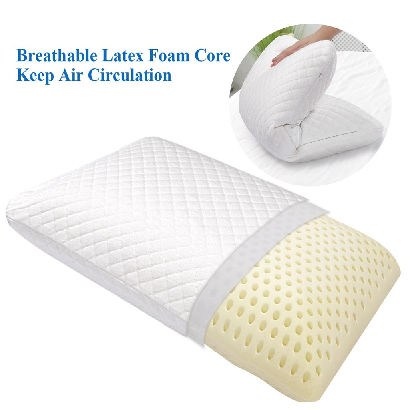
A ventilated solid latex pillow can also provide good airflow.
Tiny holes through the latex core can give heat a path to move away from your head. Current testing of ventilated latex pillows has found strong temperature-control performance.
However, solid latex usually feels less moldable than shredded latex.
Cotton Makes a Great Cooling Cover
Cotton is often a better cover material than people realize.
The best pillow material for hot sleepers can lose its cooling advantage if a thick, poorly ventilated cover surrounds it.
Cotton is naturally breathable and widely available. Sleep Foundation also describes cotton as breathable and easy to clean.
For hot climates, a light cotton cover can be a simple and affordable upgrade.
Tencel Can Help With Moisture
Tencel is another useful cover option.
It feels smooth and can help manage moisture. Some current cooling pillows combine ventilated latex with Tencel covers specifically to improve airflow and moisture handling.
Therefore, a latex core plus Tencel cover can make a strong cooling combination.
Bamboo-Derived Fabric Is Worth Considering
Bamboo-derived fabrics are popular with warm sleepers because they can feel light and moisture-friendly.
According to current Sleep Foundation guidance, bamboo-derived fabric is breathable and can absorb moisture well.
Still, remember that “bamboo” on a label can describe a processed fiber rather than raw bamboo. Check the exact fabric description before buying.
Wool Offers Natural Temperature Balance
The best pillow material for hot sleepers can also be wool.
Wool may sound warm, but it has useful temperature-regulating properties. Sleep Foundation notes that wool can provide insulation while also helping manage moisture, which allows it to work across different seasons.
Wool pillows are less common, however.
They may also feel flatter or denser than latex.
Buckwheat Hulls Allow Excellent Airflow
Buckwheat hull pillows have a very different feel.
The small hulls create spaces between pieces. Consequently, air can move through the filling more easily than it can through a dense foam block.
Sleep Foundation’s testing identifies buckwheat hulls among pillow fills that perform well for temperature control.
The downside is sound. The hulls can make a rustling noise when you move.
Down Can Feel Fluffy but Warm
Traditional down feels soft and luxurious.
However, it can also provide insulation. That means it may not be the best pillow material for hot sleepers who regularly wake up sweaty.
Sleep Foundation’s testing notes that down can retain heat because it naturally provides insulation.
If you love a fluffy pillow, a breathable down-alternative option may be worth testing.
Down Alternative Can Be a Better Cooling Choice
Down alternative commonly uses synthetic fibers designed to imitate down.
Interestingly, it can provide a fluffy feel without the same level of insulation associated with traditional down.
Current Sleep Foundation guidance lists down alternative among fills that can perform well for temperature control.
Therefore, it deserves a place on your shortlist.
Memory Foam Is Not Always Ideal
Many people love memory foam because it cushions the head and neck.
Yet, for the best pillow material for hot sleepers, traditional solid memory foam usually has one major weakness: heat retention.
Memory foam responds to heat and pressure. Because it surrounds the head closely, it can reduce the feeling of airflow. Sleep Foundation’s testing specifically reports that foam, particularly solid memory foam, tends to retain heat.
Shredded Memory Foam Changes the Picture
Shredded memory foam can be cooler than a solid block because air has more room to move between pieces.
Still, it may not match well-ventilated latex for a person who sleeps extremely hot.
If you already love memory foam, choose shredded foam, an airy construction, or a design with cooling features.
Gel Does Not Automatically Mean Cold
Many products use the word “gel.”
However, gel does not guarantee that a pillow will stay cold all night.
Gel can help manage heat, but the whole design matters. The cover, foam density, ventilation, and room temperature all influence your experience.
Therefore, judge the complete pillow rather than one marketing feature.
Phase-Change Covers Can Add Cooling
Some pillows use phase-change materials.
These materials can absorb and release heat as conditions change. Sleep Foundation includes phase-change materials among technologies used in cooling pillow designs.
They can be useful, especially when combined with an airy fill.
Still, a breathable natural cover may offer better value for shoppers on a smaller budget.
The Cover Can Make or Break Cooling
The best pillow material for hot sleepers is only part of the story.
Imagine buying a breathable latex pillow and then covering it with a thick, heat-trapping fabric.
You could lose some of the cooling benefit.
For that reason, look for:
- Cotton
- Tencel
- Bamboo-derived fabric
- Lightweight breathable blends
Sleep Foundation specifically recommends breathable, moisture-wicking covers for people who sleep hot.
Your Sleeping Position Changes the Best Choice
The best pillow material for hot sleepers should also match your sleeping position.
Side sleepers usually need more height.
Back sleepers generally need medium height.
Stomach sleepers often need a much thinner pillow.
Sleep Foundation recommends thicker profiles for many side sleepers, while back sleepers commonly prefer a medium loft and stomach sleepers usually prefer thinner pillows.
Best Material for Hot Side Sleepers
If you sleep on your side, consider shredded latex.
It offers a useful mix of support and airflow.
A side sleeper often needs enough loft to fill the space between the shoulder and head. A pillow that becomes too flat can bend the neck sideways.
Therefore, an adjustable shredded latex pillow can be especially practical.
Best Material for Hot Back Sleepers
Back sleepers often do well with medium-loft latex.
The pillow should support the head without pushing the chin toward the chest.
A breathable latex pillow with a cotton or Tencel cover can provide support while reducing heat buildup.
Best Material for Hot Stomach Sleepers
Stomach sleepers need extra care.
A thick pillow can push the head upward and place the neck in an awkward position.
A thin cotton, wool, down-alternative, or low-profile shredded latex pillow may work better.
In fact, some stomach sleepers feel more comfortable with very little pillow height.
Best Pillow Material for Hot Sleepers in Humid Weather
People living in humid areas need more than surface coolness.
Humidity can make sweat evaporate slowly. Therefore, moisture management becomes especially important.
The best pillow material for hot sleepers in a humid climate should have a breathable shell and fill.
For example, ventilated latex plus cotton can be a sensible combination.
Best Choice for People Who Sweat at Night
If sweating is your main problem, focus on the cover first.
Cotton, Tencel, and bamboo-derived fabrics can help manage moisture.
Then consider an airy fill such as shredded latex or buckwheat.
A waterproof pillow protector may protect the pillow, but some waterproof materials can reduce airflow. So choose one carefully.
Best Pillow Material for Hot Sleepers With Neck Support Needs
Cooling should not come at the expense of support.
The best pillow material for hot sleepers who need neck support is often shredded or solid latex.
Latex provides responsive support without the deep sinking sensation of traditional memory foam.
Current testing also finds latex pillows useful for side and back sleepers who need support around the neck and shoulders.
Real-Life Example: A Warm Bedroom
Consider a person who sleeps in a warm bedroom and wakes up with a damp pillow.
They replace a dense memory-foam pillow with ventilated shredded latex and a cotton cover.
The change does not cool the entire bedroom. However, it can reduce the amount of heat held directly around the head.
This example shows why pillow construction matters.
Case Study: What Current Pillow Testing Shows
Current Sleep Foundation testing gives useful real-world clues.
Its 2026 testing reports strong temperature-control results from pillows using breathable fills and covers. It also notes that shredded latex can encourage airflow, while solid memory foam tends to retain more heat.
That evidence supports a simple buying rule: choose airflow over dense, heat-trapping construction.
Expert Advice for Choosing Cooling Materials
Sleep experts generally emphasize breathable materials when temperature control matters.
Sleep Foundation’s shopping guidance recommends breathable natural fibers for hot sleepers and explains that pillow fill and cover materials strongly affect temperature regulation.
So, instead of chasing every “ice-cooling” claim, start with basic airflow.
Advantages of the Best Cooling Materials
The best pillow material for hot sleepers can offer several benefits:
- Better airflow
- Less heat buildup
- Improved moisture handling
- Comfortable support
- Better shape recovery
- Longer useful life in some latex designs
However, no pillow can control the temperature of your entire bedroom.
Disadvantages You Should Know
Every material has trade-offs.
Latex: More expensive and unsuitable for people with latex allergies.
Buckwheat: Firm and sometimes noisy.
Wool: Less common and can feel dense.
Cotton fill: Can flatten over time.
Memory foam: Comfortable but more likely to retain heat.
Down alternative: Soft and affordable, but quality varies by construction.
Cooling Pillow Material Comparison Chart
| Material | Cooling | Airflow | Support | Feel | Main drawback |
| Shredded latex | Excellent | Excellent | High | Springy | Higher price |
| Talalay latex | Excellent | Excellent | High | Bouncy | Can cost more |
| Buckwheat | Excellent | Excellent | High | Firm | Noisy |
| Wool | Very good | Very good | Medium | Dense | Limited choices |
| Cotton | Good | Very good | Low-Medium | Soft | Can flatten |
| Down alternative | Good | Good | Medium | Fluffy | Quality varies |
| Tencel cover | Very good | Very good | N/A | Smooth | Usually used as cover |
| Bamboo-derived cover | Very good | Very good | N/A | Soft | Processing varies |
| Memory foam | Fair | Fair-Low | High | Contouring | Heat retention |
| Solid down | Fair-Low | Medium | Low-Medium | Very soft | Can retain heat |
These ratings are practical comparisons rather than laboratory scores. Individual pillow construction can change the result.
How to Read a Pillow Label
Do not stop at the word “cooling.”
Read the actual materials.
Look for terms such as:
- Shredded latex
- Ventilated latex
- Cotton cover
- Tencel cover
- Bamboo-derived fabric
- Adjustable fill
- Airflow channels
Also check the care instructions.
A removable washable cover is a major advantage for people who sweat at night.
How Much Should You Spend?
You do not need the most expensive pillow to sleep cooler.
A simple breathable cotton pillow can work well for some people.
However, premium latex pillows can offer better durability and support. Current 2026 Sleep Foundation listings show latex pillows ranging from relatively affordable models to premium designs priced well above $100.
Therefore, set your budget before shopping.
Where Should You Buy a Cooling Pillow?
Your best option depends on your location, return policy, and warranty.
For online shopping, check whether the seller offers a sleep trial.
For local shopping, compare the store address, return rules, and delivery terms before paying. Product prices can also vary based on your shipping address, taxes, and local availability.
Most importantly, avoid buying only because an advertisement says “cold pillow.”
How to Make Any Pillow Sleep Cooler
Even the best pillow material for hot sleepers can feel warm if your bedroom is hot.
Try these simple changes:
- Use breathable pillowcases.
- Avoid heavy polyester covers.
- Keep the bedroom well ventilated.
- Wash sweaty pillow covers regularly.
- Avoid placing the pillow under thick blankets.
- Use lightweight bedding.
- Choose a breathable mattress protector.
These small changes can work together.
Pillowcase Material Matters More Than You Think
A pillowcase touches your skin.
Therefore, choose a breathable fabric.
Cotton is an easy starting point. Tencel and bamboo-derived fabrics can also work well for warm sleepers.
Avoid assuming that a silky-looking fabric will automatically sleep cool.
Don’t Confuse “Cool to Touch” With “Cooling”
A pillow may feel cool for the first few minutes.
That does not mean it will stay cool.
The best pillow material for hot sleepers should help manage heat and moisture after prolonged contact.
This is why airflow and breathable construction matter so much.
How to Test Your Pillow at Home
Give your pillow several nights rather than judging it after five minutes.
Pay attention to:
- Sweating
- Head temperature
- Neck comfort
- Morning stiffness
- Pillow shape
- Need to flip the pillow
- Moisture on the pillowcase
If you repeatedly flip the pillow to find a cooler side, your current pillow may not manage heat well.
How Often Should You Replace a Pillow?
There is no single replacement date for every material.
Instead, inspect the pillow.
Replace it when it becomes permanently flat, lumpy, stained, uncomfortable, or unable to support your head.
Latex can last longer than some fiber-filled pillows when properly maintained. Sleep Foundation describes latex as naturally durable and resistant to major flattening.
A Simple Cooling Pillow Formula
If you want an easy formula, try this:
Ventilated or shredded latex + breathable cotton/Tencel cover + correct loft.
That combination addresses the three biggest issues:
- Airflow
- Surface breathability
- Neck support
For many warm sleepers, this is a better starting point than dense solid memory foam.
Best Overall Material Recommendation
If I had to choose one material for the best pillow material for hot sleepers, I would start with shredded latex.
Why?
It combines airflow, support, resilience, and relatively low heat retention.
A breathable cover makes the setup even stronger.
However, people who prefer a firm, adjustable pillow should also consider buckwheat.
Best Budget Material Recommendation
If your budget is limited, start with cotton.
A breathable cotton pillow and cotton pillowcase can offer a simple cooling setup without a premium price.
Just remember that cotton fill can flatten over time.
Best Natural Material Recommendation
For shoppers who want natural materials, latex, wool, cotton, and buckwheat are strong choices.
The best pillow material for hot sleepers in this group depends on the feel you prefer.
Choose latex for support.
Choose buckwheat for firmness and airflow.
Choose wool for temperature balance.
Choose cotton for softness and simplicity.
What Hot Sleepers Should Avoid
If you regularly overheat, be careful with:
- Very dense solid memory foam
- Thick polyester covers
- Heavy pillow protectors
- Extremely deep pillows
- Poorly ventilated designs
This does not mean these materials are bad for everyone.
They simply may not be the smartest first choice for someone whose main problem is nighttime heat.
Frequently Asked Questions About Cooling Pillow Materials
FAQ 1: What is the best pillow material for hot sleepers?
Shredded or ventilated latex is one of the strongest choices because it provides airflow and support while generally retaining less heat than solid memory foam.
FAQ 2: Is latex cooler than memory foam?
Usually, yes. Latex generally allows more airflow and does not hug the head as closely as traditional memory foam.
FAQ 3: Is shredded latex good for hot sleepers?
Yes. Shredded latex creates spaces that can improve airflow inside the pillow.
FAQ 4: Is memory foam good for hot sleepers?
Traditional solid memory foam may not be ideal because it can retain heat. Shredded or ventilated foam may perform better.
FAQ 5: Is cotton good for hot sleepers?
Yes. Cotton is breathable and works especially well as a pillow cover.
FAQ 6: Is Tencel good for cooling?
Yes. Tencel is commonly used in breathable cooling pillow covers and can help manage moisture.
FAQ 7: Is bamboo fabric good for hot sleepers?
Bamboo-derived fabrics can be breathable and moisture-friendly, making them a useful choice for warm sleepers.
FAQ 8: Are buckwheat pillows cool?
Yes. Buckwheat hulls allow plenty of space for air movement, although the pillows can feel firm and make noise.
FAQ 9: Is wool too hot for summer?
Not necessarily. Wool can regulate temperature and manage moisture, which is why it can work in different seasons.
FAQ 10: Is down good for people who sleep hot?
Down can feel soft and fluffy, but it also provides insulation. Therefore, some hot sleepers may prefer down alternative.
FAQ 11: Does a cooling gel pillow stay cold all night?
Not always. Gel may help with heat management, but the entire pillow design affects long-term cooling.
FAQ 12: What pillow is best for night sweats?
Look for an airy fill and moisture-friendly cover. Shredded latex with cotton, Tencel, or bamboo-derived fabric is a practical combination.
FAQ 13: What is the coolest pillow cover?
Breathable cotton, Tencel, and bamboo-derived fabrics are among the most useful options for warm sleepers.
FAQ 14: Should hot sleepers use a thin pillow?
Not automatically. Your sleeping position matters. Side sleepers often need more height, while stomach sleepers usually need less.
FAQ 15: Can a pillow make you sweat?
Yes. A dense or poorly ventilated pillow can contribute to heat and moisture buildup around your head.
FAQ 16: How do I keep my pillow cool?
Use a breathable pillowcase, keep your room cool, wash the cover often, and choose an airy pillow construction.
FAQ 17: Is shredded foam cooler than solid foam?
It can be because air can move between shredded pieces. However, material type and density still matter.
FAQ 18: What is the best cooling pillow for side sleepers?
A medium-to-high loft shredded latex pillow can be a strong option because it combines airflow with support.
FAQ 19: What is the best cooling pillow for stomach sleepers?
A thin, soft, breathable pillow usually works better because stomach sleepers generally need less loft.
FAQ 20: What should I look for when buying a cooling pillow?
Focus on the fill, cover, ventilation, loft, return policy, and care instructions rather than relying on the word “cooling.”
Final Verdict: Choose Airflow First
The best pillow material for hot sleepers is not necessarily the most expensive or the pillow with the biggest “cooling” label.
For most people, shredded or ventilated latex is an excellent overall choice. It offers airflow, responsive support, and good temperature control. Current 2026 testing also supports latex as a strong option for hot sleepers.
Meanwhile, cotton, Tencel, and bamboo-derived fabrics make strong cover choices. Buckwheat is another excellent option if you like a firm, highly breathable pillow.
Ultimately, match the material to your body and sleeping position.
If you sleep hot, start with airflow + moisture control + correct loft. That simple formula can help you build a much more comfortable sleep setup.
Helpful External Resources
- Sleep Foundation — Best Pillows
- Sleep Foundation — Cooling Pillows
- Sleep Foundation — Pillow Research Methodology
- Sleep Foundation — How to Shop for Pillows
Editorial note: Prices, product availability, certifications, shipping costs, and return policies can change by date and shipping address. The material guidance above is based on sources checked and updated through August 19, 2026.